Performing the Paradoxes of Intellectual Property.
University of Dundee / 2016-2021
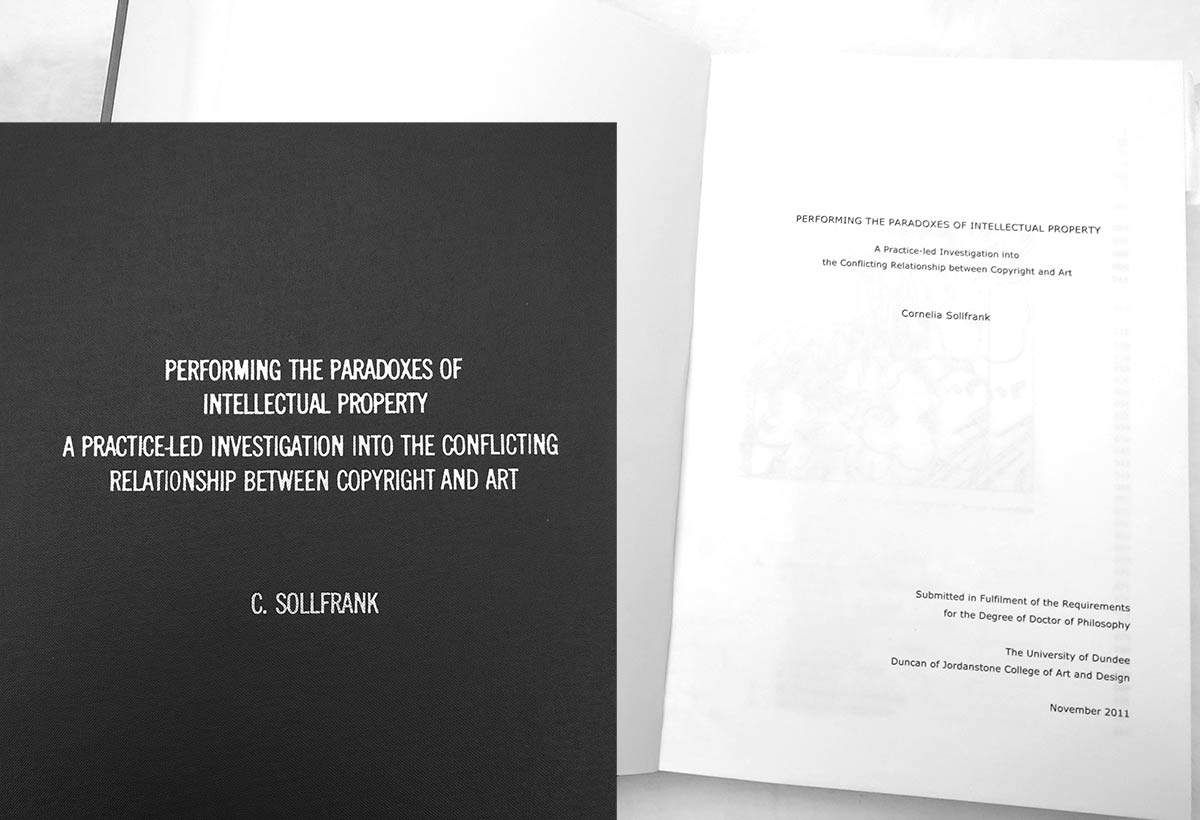
PhD thesis by Cornelia Sollfrank. A practice-led Investigation into the Increasingly Conflicting Relationship between Copyright and Art. The research was based at the Duncan of Jordanstone College of Art and Design at the University of Dundee, UK.
Creating Worlds was a multi-annual research project that investigated the relationship between art production and knowledge production in the context of the transformations and crises of contemporary capitalism. Creativity becomes an ambivalent term here, “creating worlds” meaning a modulating procedure in cognitive capitalism and societies of control, but also an emerging political dimension of creativity as political imagination and invention of new lines of flight, new struggles, new worlds.
The project was conducted by Vienna-based European Institute for Progressive Cultural Policies (eipcp), and funded by WWTF, the Vienna Science and Technology Fund. It was a collaboration of eight artist researchers including Boris Buden, Lina Dokuzović, Marcelo Expósito, Bernhard Hummer, Therese Kaufmann, Raimund Minichbauer, Radostina Patulova, Gerald Raunig, Cornelia Sollfrank, Hito Steyerl, Dmitry Vilensky, and involved research, publication and artistic projects.
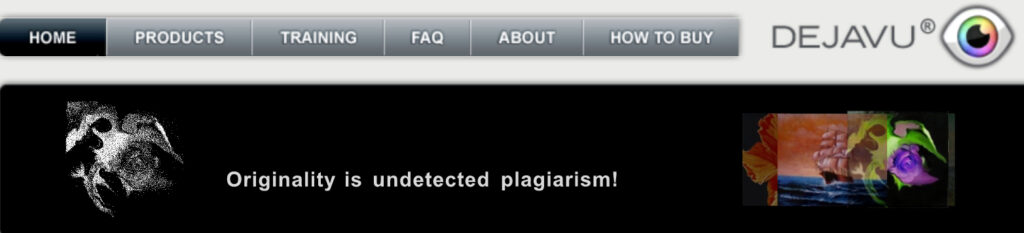
Speculative Software. After submitting a digital template, the software generates a „quality report“. The accuracy of this report depends on the amount of originals that are available as a comparison value. The goal of using the software is to provide a „sameness index“ in the shortest possible time, which can indicate in precise percentages the related source material. Using scientific methods such as distance calculations algorithms from bioinformatics finally allow accuracy in a field where arbitrariness and inability to detect have prevailed for too long.
THE THING Hamburg. A Temporary Democratization of the Local Art Field.
Rahel Puffert, Michel Chevalier, Cornelia Sollfrank / 2014.
THE THING Hamburg was an experimental Internet platform whose vocation was to contribute to the democratization of the art field, to negotiate new forms of art in practice, and to be a site for political learning and engagement. The authors of this this paper trace the (local) circumstances that led to the emergence of the project and take a look at its historical precursor; they reflect on the organizational form of this collectively-run and participatory platform, and investigate the role locality can play in the development of political agency.
THE THING Hamburg was an Internet platform for art and criticism in Hamburg. The platform was developed along the lines of THE THING New York and was active from 2006 to 2009. Based on artistic perspectives, THE THING Hamburg’s mission was to reflect on art and culture in various media and formats. The main ideas were to empower artists and cultural producers to speak for themselves, to contribute to the public discourse while providing a platform for the larger audience to engage with.
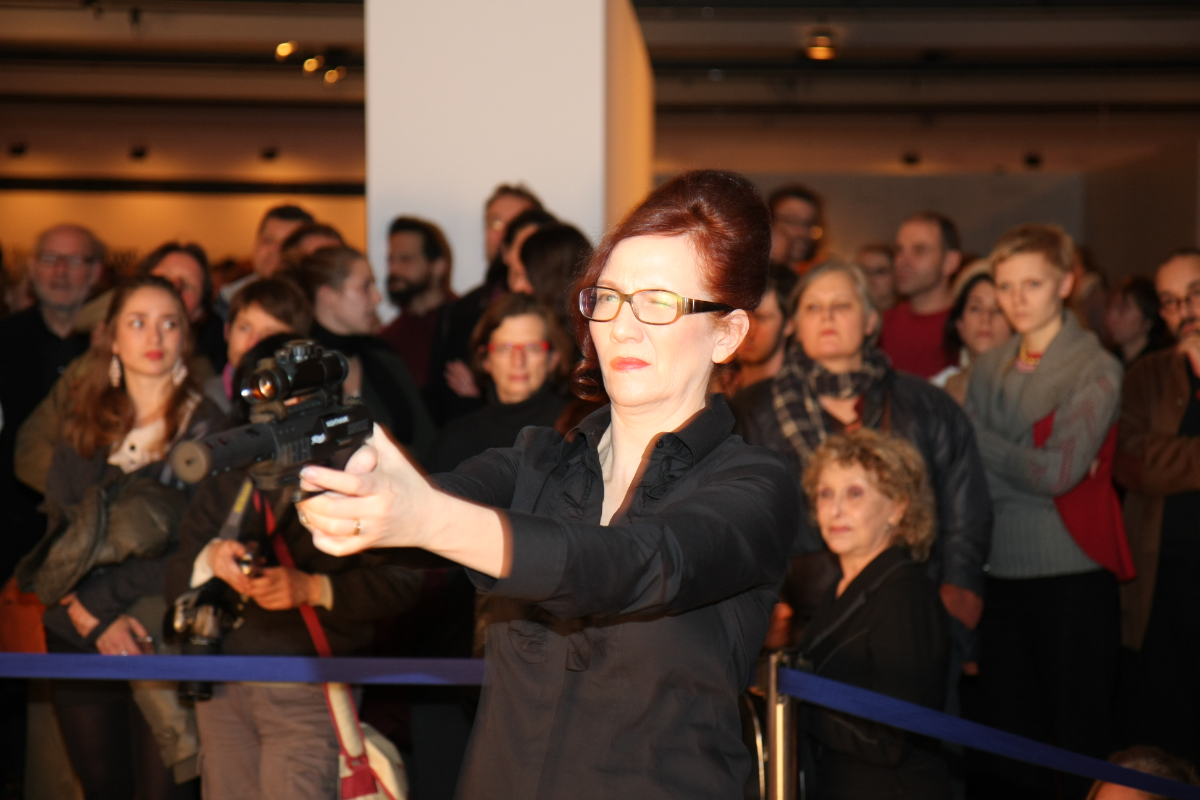
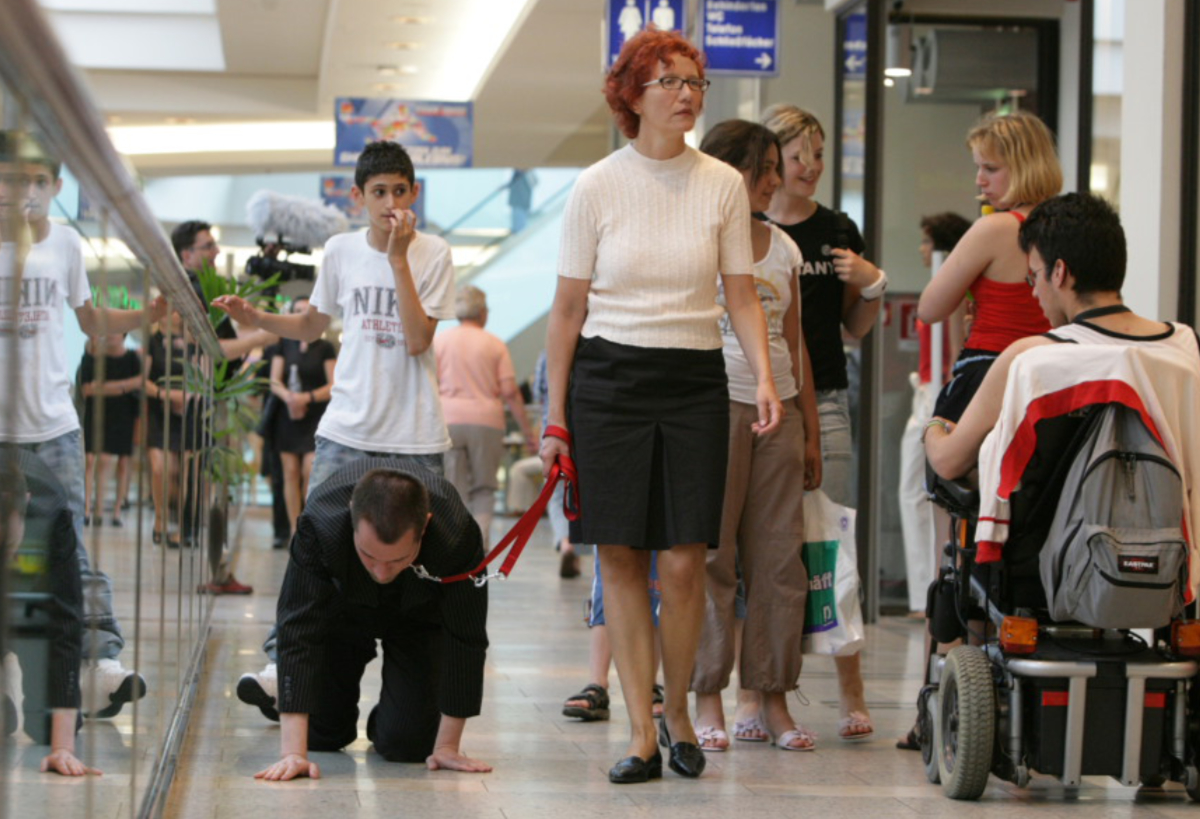
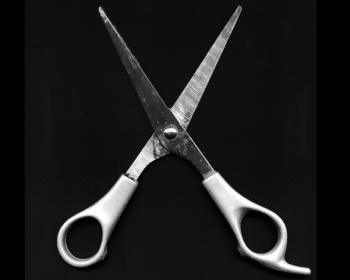
Revisiting Feminist Art is a series of reenactments of early feminist performance art. In the act of repetition, Cornelia Sollfrank took the place of the artists she selected and fashioned a test assembly by confronting the concept of the subject of these early feminist artworks with the action theoretical concept of repetition. The relevance of the repeated work and the statement produced by it is put forward for discussion along with the diversity of feminist practices. For this series, Cornelia Sollfrank selected artists and works that had influenced her as a young artist feminist: Valie Export’s „Mappe der Hundigkeit“, Annette Messager’s „Les Approaches“, and Niki de Saint Phalle’s „Peinture au Fusil.“
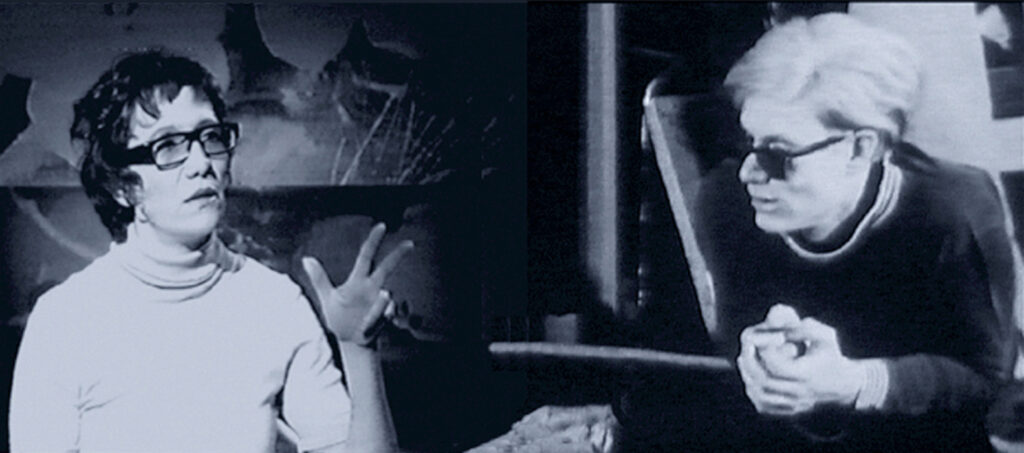
In their legendary interview, the two artists discuss the similarities between their artistic strategies of appropriating and reworking found material from pop culture, mass media and art.
Audio play, 37min, commissioned by ORF Radio, Vienna, 2004. Collaboration between Cornelia Sollfrank and Timothy Didymus, as part of the Kunstradio series „real audio literature – .ran 2“, curated by Johannes Auer. The radio play „Automatically Generated Authorship“ relates to the development of new forms of digital authorship in terms of both content and form. In the process, four different characters represent four different perspectives of the discourse around authorship. There is one male and one female computer voice each, as well as one male and one female human voice. The radio play, which is composed of spoken text, sounds and generative music, does not develop linearly, but results from permanent jumps on the time axis. And although certain content is predetermined by the authors (Sollfrank & Didymus), the final form is determined exclusively by the underlying software.
The starting point for this text is the question of who can be considered the author of a digital image collage produced by nag_05. The related investigation is based on legal research conducted in the field of copyright for computer-generated works as well as joint authorship, and aims at meticulously discussing as many legal options as possible. The text simultaneously applies and reflects legal thinking as it is performed through the adopting of legal terminology. There is also a video available in which the author reads the text to screen.
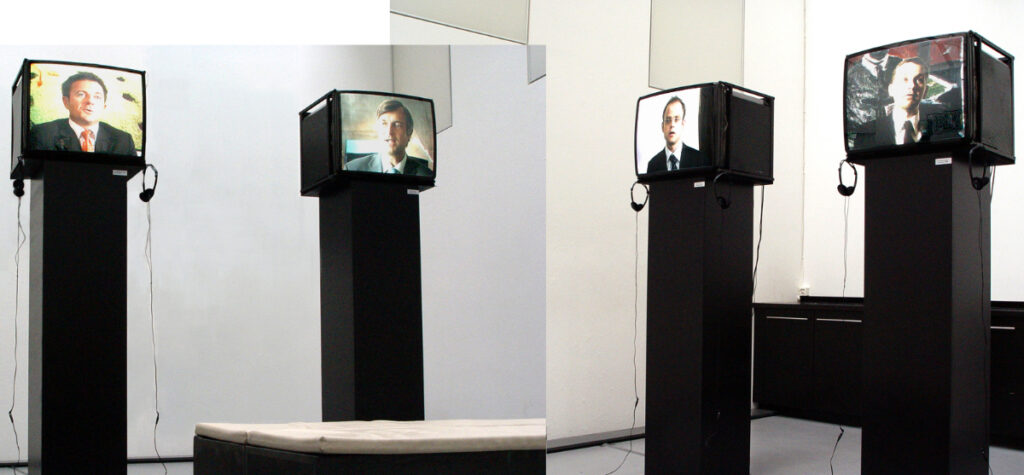
Four legal experts elaborate on copyright issues related to the net.art generator – from a legal perspective. Four-channel video installation, (12 to 15 minutes each). German with English subtitles.
In 2004 Cornelia Sollfrank submitted the anonymous_warhol-flowers to four copyright law experts and filmed their responses. Instead of displaying prints of the automatically generated images, these expert videos were installed at [plug.in] Basel. The interviews not only illustrate the different appraisals of the situation by various experts but also clearly demonstrate the legal grey area between artistic freedom and the letter of the law resulting from artistic appropriation. Aesthetic necessities and legal logic appear irreconcilable. Thanks to the participating lawyers: Peter Eller, Munich; Jens Brelle, Hamburg; DrsRolf auf der Maur, Zurich; Dr Sven Krüger, Hamburg.
Conceptual Internet music project, Spatial installation / 2001
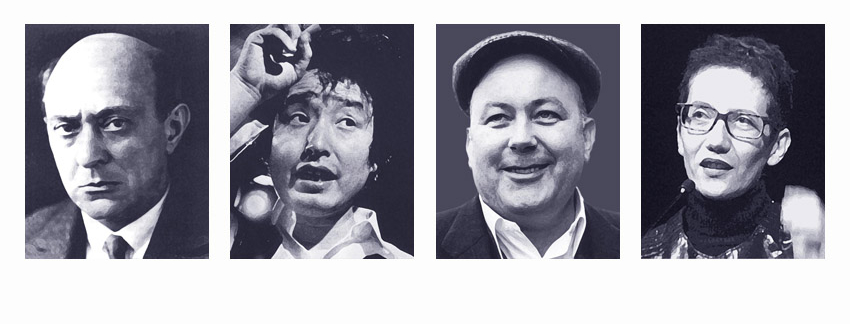
At the heart of Improved Television there is a composition by Arnold Schönberg: Verklärte Nacht. The piece has first been modified by Nam June Paik (1977) who slowed it down to 25% of its original speed, after which Dieter Roth accelerated Paik’s version up to the original speed and made it his own edition (1979). Cornelia Sollfrank continued the series of modifications by making the piece available to the online audience on a virtual record player where the user can set the speed themselves. The intervention also has an installation version where portraits of the four artists are presented next to their statements with a sound piece composed by Sollfrank on the basis of all previous interventions.
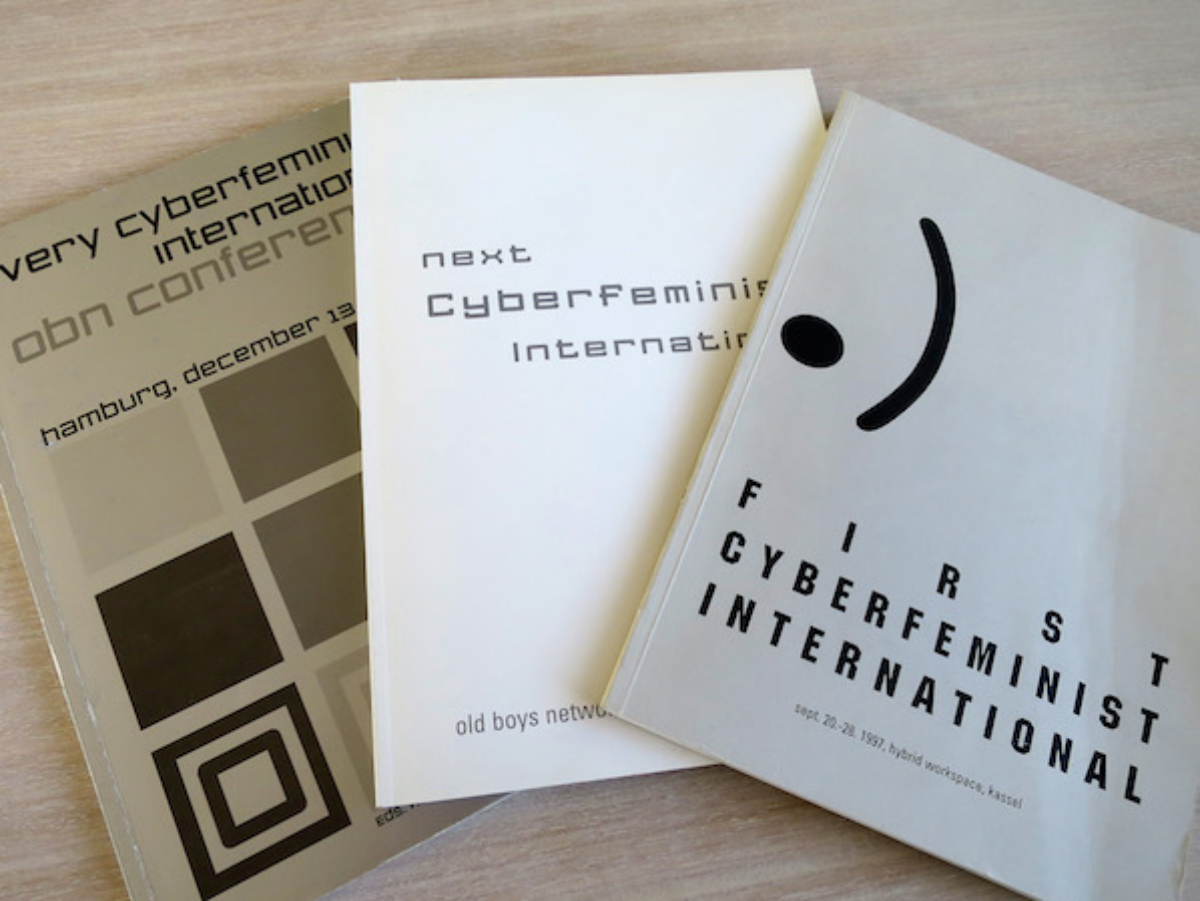
Old Boys Network was the first international cyberfeminist alliance. OBN was launched at documenta x as part of the Hybrid Workspace where it held the 1st Cyberfeminist International in September 1997. In the following five years, the network held regular international conferences, published readers and books and served as a platform for a plethora of cyberfeminist activities. An archive of OBN’s activities is currently in preparation in collaboration with documenta Archiv in Kassel.
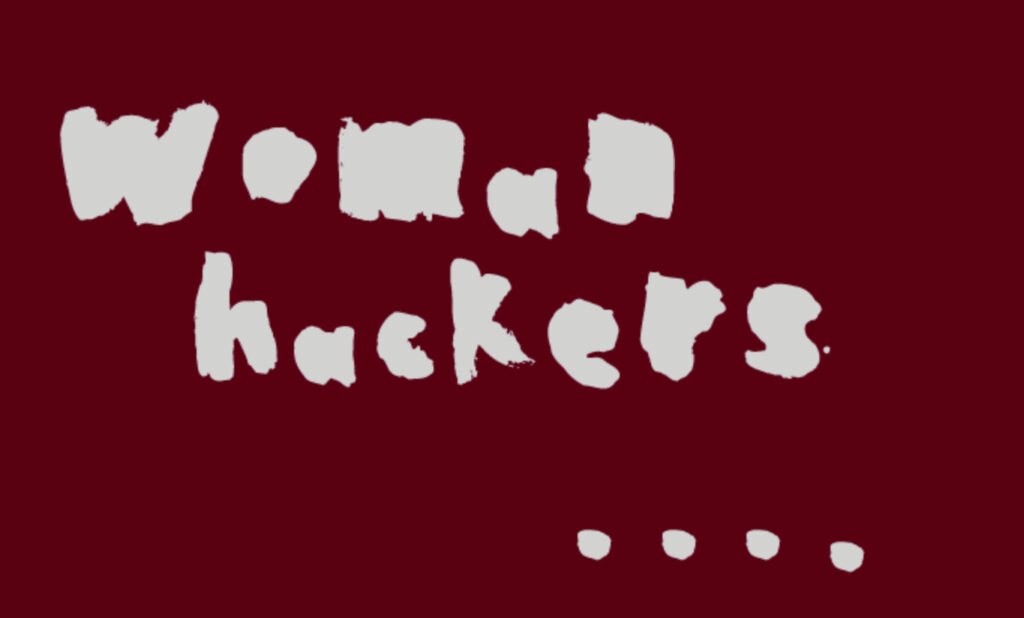
Women Hackers is an artistic research project undertaken in 1999/2000. First part was a research on women hackers in the digital underground. The research has been summarized in a report. From there, Sollfrank developed two interventions: a Guide to Geek Girls, and the video interview with the fictitious female hacker Clara S0pht.
Kunstverein Nürnberg, 1 September – 15 October 2000
The ‚Liquid Hacking Laboratory‘ was an experimental setting which has been conceived by Cornelia Sollfrank and brought together twenty-five artists and hackers. It combined three elements: a temporary media lab, public presentations, and an exhibition. The idea was to go beyond traditional conceptions of art production and art presentation, and to offer –for the participating international artists and hackers as well as for the interested public– a space for exchange and knowledge transfer.
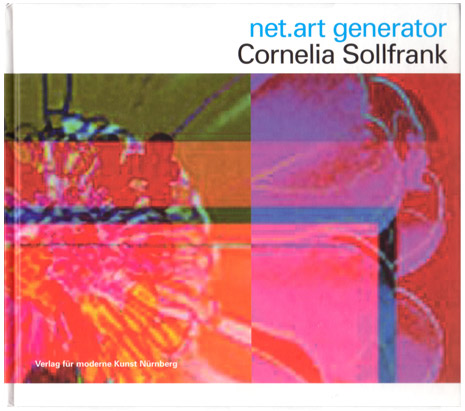
Interview with Cornelia Sollfrank, by Tilman Baumgärtel about Female Extension. Published in: [net.art] – Materialien zur Netzkunst, Tilman Baumgärtel, Verlag für moderne Kunst, 1999.
Hacker sind Künstler – und einige Künstler sind Hacker
Berlin / 10.September 1998
Interview mit Cornelia Sollfrank, von Tilman Baumgärtel. Veröffentlicht in: netz.kunst, Jahrbuch 98-99, Institut für moderne Kunst, Nürnberg, 1999. [net.art] – Materialien zur Netzkunst, Tilman Baumgärtel, Verlag für moderne Kunst, 1999.
EXTENSION – die virtuelle Erweiterung der Hamburger Kunsthalle
19. Juni 1997, telepolis, Heise Verlag.
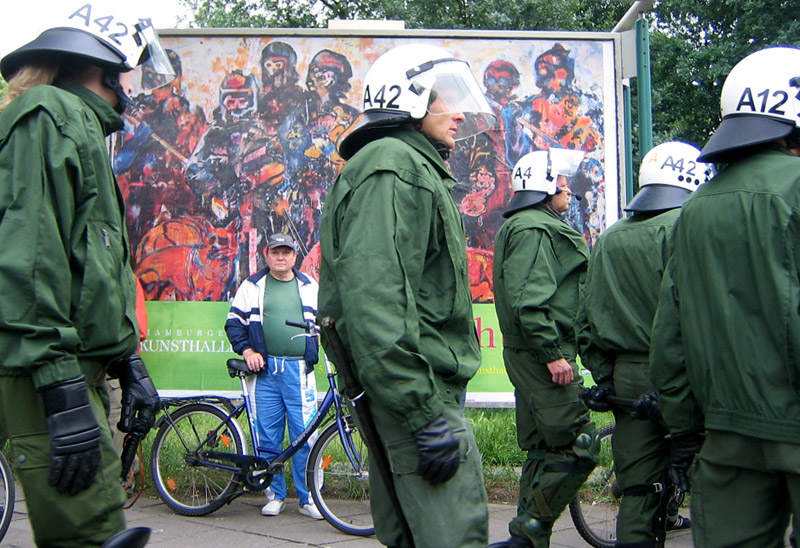
Auszüge aus einem Gespräch zwischen Cornelia Sollfrank und Frank Barth, wissenschaftlicher Mitarbeiter der Galerie der Gegenwart, dem neuen Erweiterungsbau der Hamburger Kunsthalle. Anlässlich seiner Eröffnung am 23. Februar 1997 schrieb das Museum den ersten institutionellen Preis für Internet-Kunst aus. Sollfrank nahm dies zum Anlass, das Projekt Female Extension zu entwickeln.
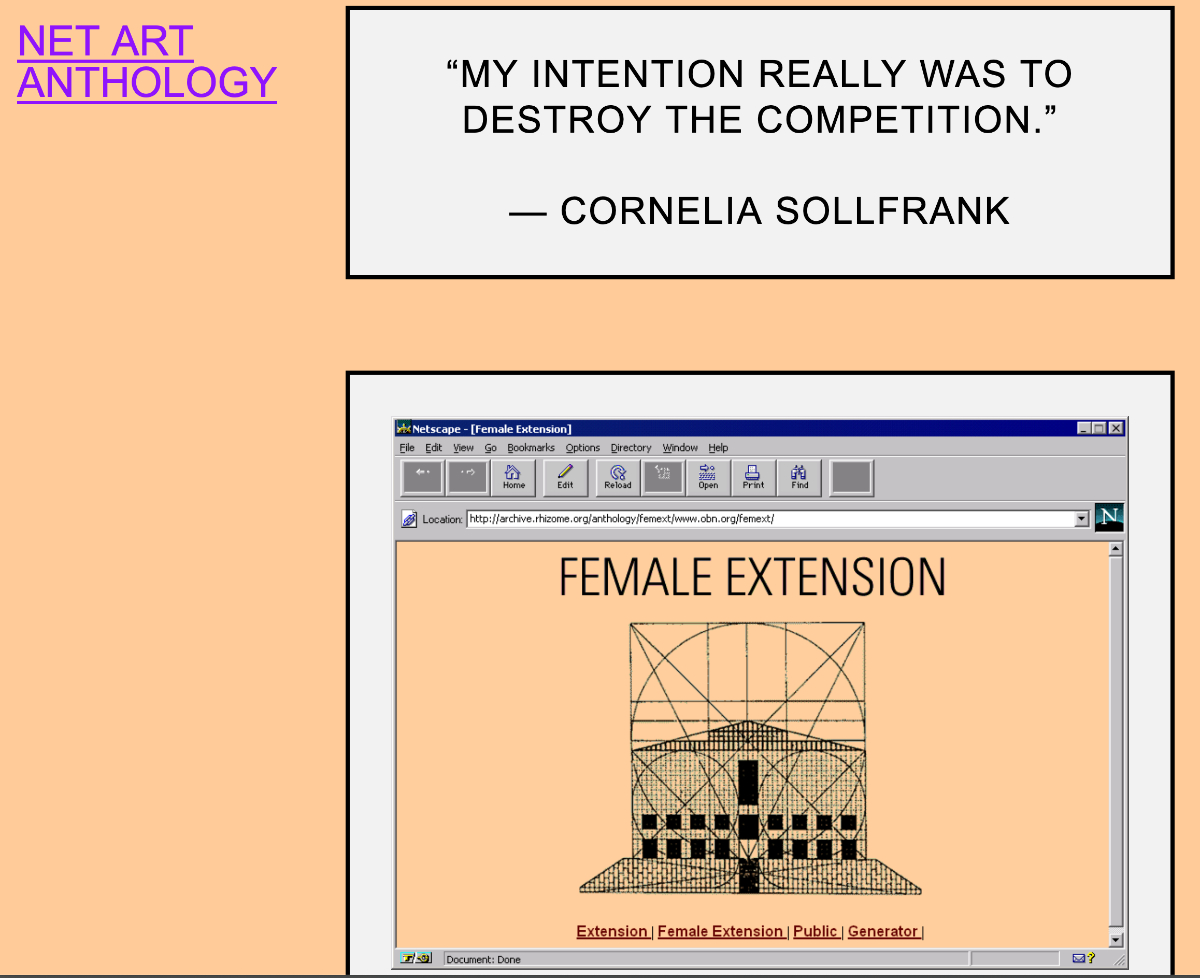
Female Extension was the hack of the first competition for Internet art launched by Kunsthalle Hamburg in 1997. Sollfrank created 300 ficticious female net artists and flooded the competition with automatically generated websites. This intervention has been included in Rhizome’s net art anthology.